
I have a driving test tomorrow woke up today wife broke her foot and windscreen wash motor packed up. Rang fast road and they said to bring in. They fixed the problem even went into overtime was fast efficient and cost was reasonable, i asked about service of vehicles and they said they do that and anything else i would require nice friendly service. They saved me having to cancel a driving test. Again thankyou.
Category: Driving Lessons and Instructor Training in Kent England
We Teach you How to drive using the highway code and specific skills and coaching skills. We can teach you how to teach so you could change your career.
Lights
You MUST NOT
- use any lights in a way which would dazzle or cause discomfort to other road users, including pedestrians, cyclists and horse riders if you are sitting on the side of the road facing oncoming traffic turn your lights down so not to dazzle oncoming traffic
Well done !!!!!!
Well done Callum for passing your driving test today at folkestone test centre,,, excellent drive 🙂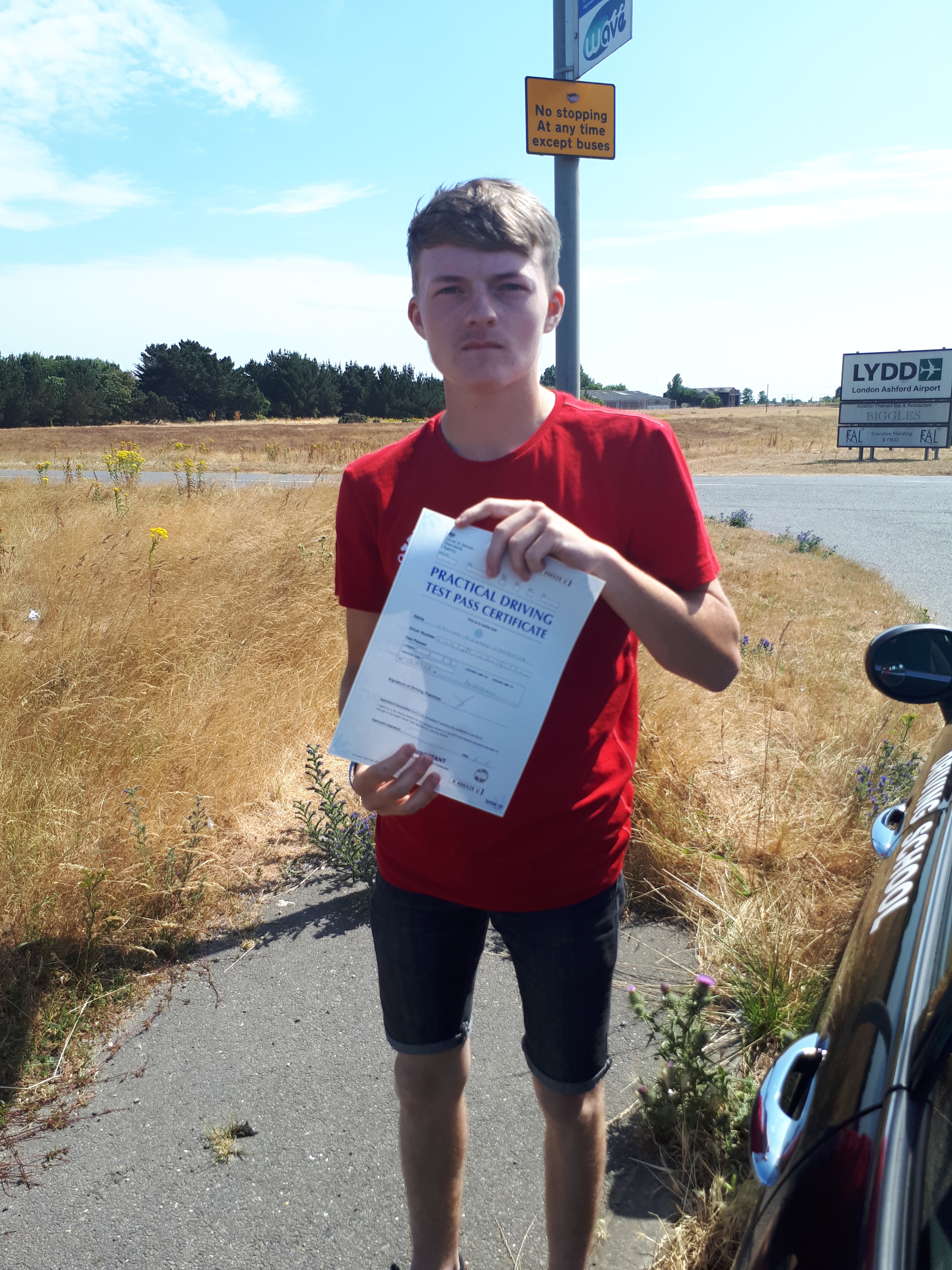
Driving Test
Driving test timing study
The study will last for around 3 to 4 months and will monitor the overall time taken to conduct the new test and to make sure that it is as efficient and effective as possible. This might mean that additional examiners may sit in on some tests at your local test centre.
The way this will done
Trained driving examiners and specially trained timing study observers will work as a team to monitor the overall time taken to conduct the test.
The driving test examiner will greet the candidate in the waiting room as normal and introduce anyone accompanying them before the test starts.
The accompanying study observer will sit in the back of the car and time how long various aspects of the test takes.
This includes things like setting up the sat nav or completing a manoeuvre. It is only the task that will be timed, not the examiner or the student.
There will be no additional scrutiny of the student taking their test, and the accompanying observer won’t take part in the test.
You should make students aware during this period their test might be part of the study and you should contact your local driving test manager before the test if your student has any specific requirements.
You shouldn’t refuse these additional observers sit in during the test, as they have been given the authorisation to do this
WET WEATHER
In wet weather, stopping distances will be at least double those required for stopping on dry roads (see ‘Typical stopping distances). This is because your tyres have less grip on the road. In wet weather
- you should keep well back from the vehicle in front. This will increase your ability to see and plan ahead
- if the steering becomes unresponsive, it probably means that water is preventing the tyres from gripping the road. Ease off the accelerator and slow down gradually
- the rain and spray from vehicles may make it difficult to see and be seen
- be aware of the dangers of spilt diesel that will make the surface very slippery
take extra care around pedestrians, cyclists, motorcyclists and horse riders.
 LDLT Driving School